Work & case notes

A few stories from behind the counter.

These are illustrative, anonymised accounts drawn from the kind of mornings and enquiries that shape how we run the bar. Names and identifying details are removed or generalised; the routines described are real.

CASE 01 · SMALL-TEAM TASTING

The team that wanted a shorter, plainer tasting

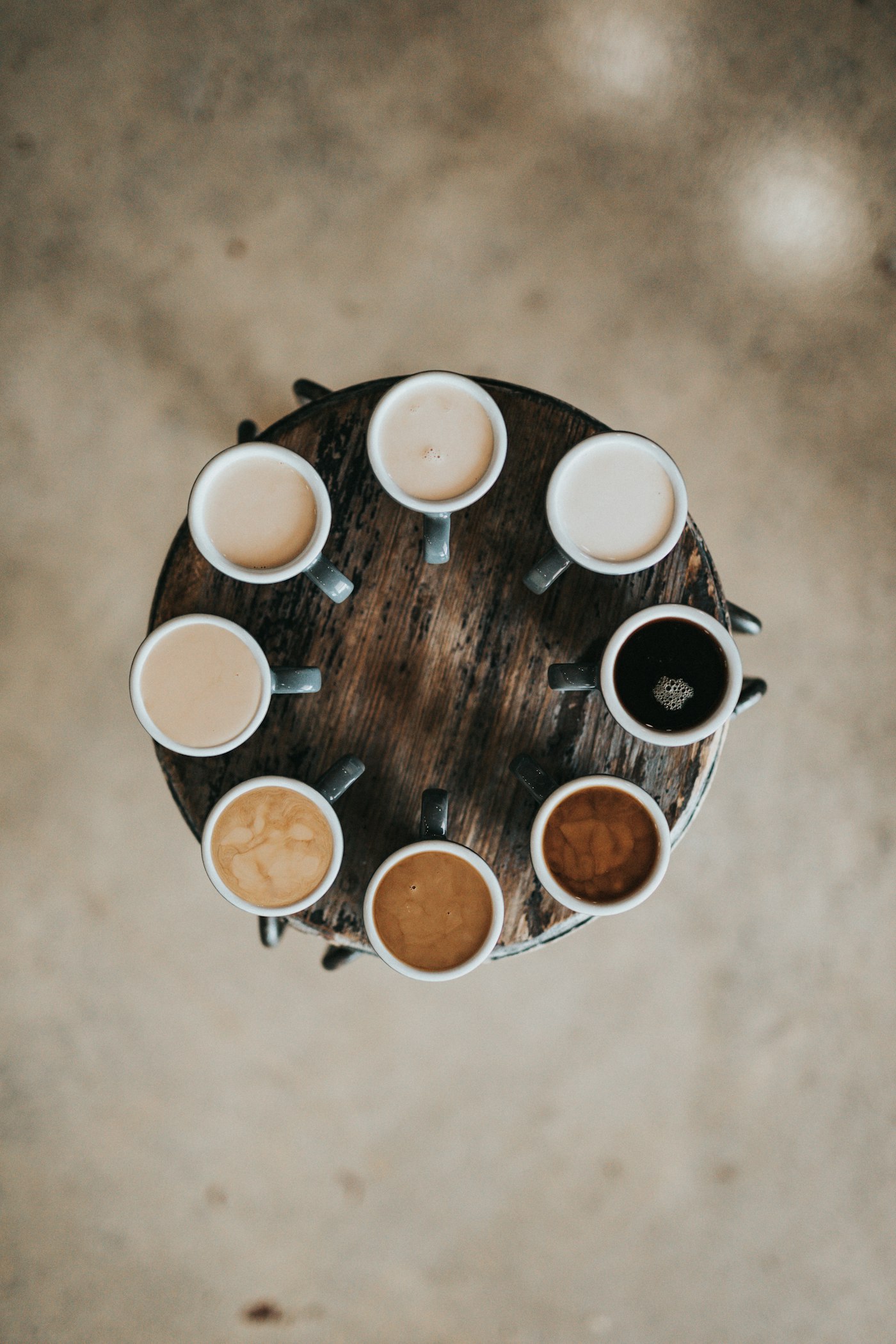
A twelve-person team from a nearby office asked for a coffee session that felt like a working break, not a performance. Earlier tastings they'd tried elsewhere ran long on theatre and short on substance. We built a thirty-minute slot around one origin brief, three cups poured from the same lot at three different rest times, and let the room compare notes on which cup held its clarity longest as it cooled.
Small-team coffee tasting session at BeanPro with guests comparing filter cups

The result surprised a few people: the cup rated best hot dropped to third once it cooled past sixty degrees, while a plainer-tasting cup at the start held steadier the whole way through. That's the kind of detail a short tasting can surface that a menu description never will. The team has since booked a repeat slot every few months, usually asking for whichever lot is showing the most contrast that week.
CASE 02 · DAYTIME COUNTER

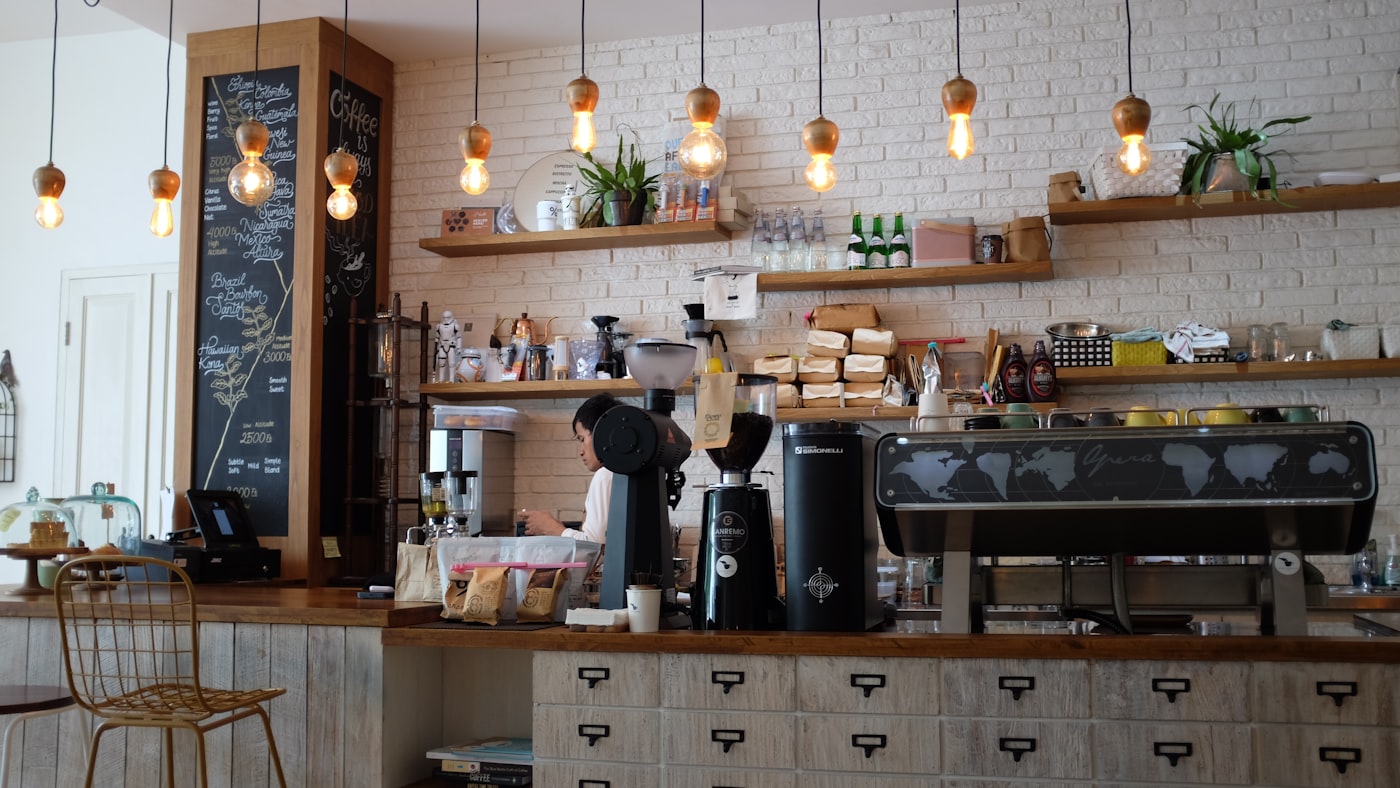
Rebuilding a pastry case that fought the coffee

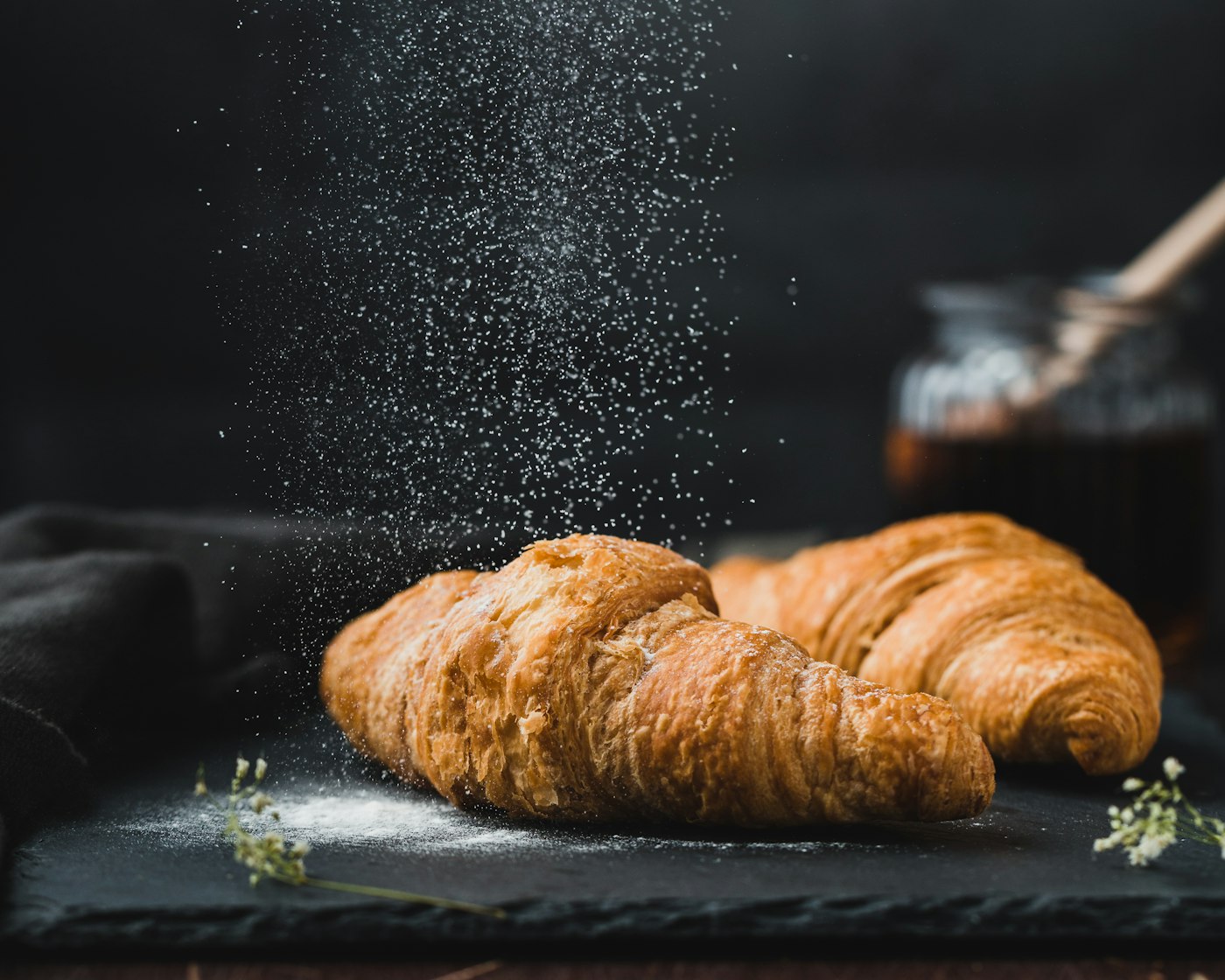
Early feedback on our first pastry case was blunt: too sweet, and it flattened the filter list right after the first bite. We pulled the three sweetest items and replaced them with plainer bakes — a semi-sourdough roll, a light savoury tart, and a reduced-sugar banana loaf — so a cup of filter coffee could still read clearly after a bite of something from the case.

Daytime pastry plate and filter coffee served together at the BeanPro counter

It took roughly six weeks of small adjustments and regular questions to guests at the till before the case settled into something that complements rather than competes with the coffee. We still rotate one item seasonally, and we still ask anyone ordering a pastry with filter whether the pairing worked, because that single question has done more for the daytime menu than any formal survey would have.

CASE 03 · THE LOT THAT FLATTENED

A washed lot that cupped bright and then went dull

One washed lot cupped beautifully on the table — citrus, a little floral, clean through the finish. Two weeks into pouring it as our filter of the week, a regular guest mentioned it tasted "flatter" than the first cup they'd had. We checked the obvious things first: grind size, dose, bloom time. Nothing had changed on our end, but the mains water hardness had crept up over that fortnight, which we confirmed against our hard-water note log kept by the machine.

Adjusting the filter cartridge change schedule and nudging the recipe's contact time brought the cup back close to where it started, though not identical — a useful reminder that "the same lot" and "the same cup" aren't always the same thing once water chemistry moves. We now log a hardness check weekly rather than only when the machine flags a service reminder.

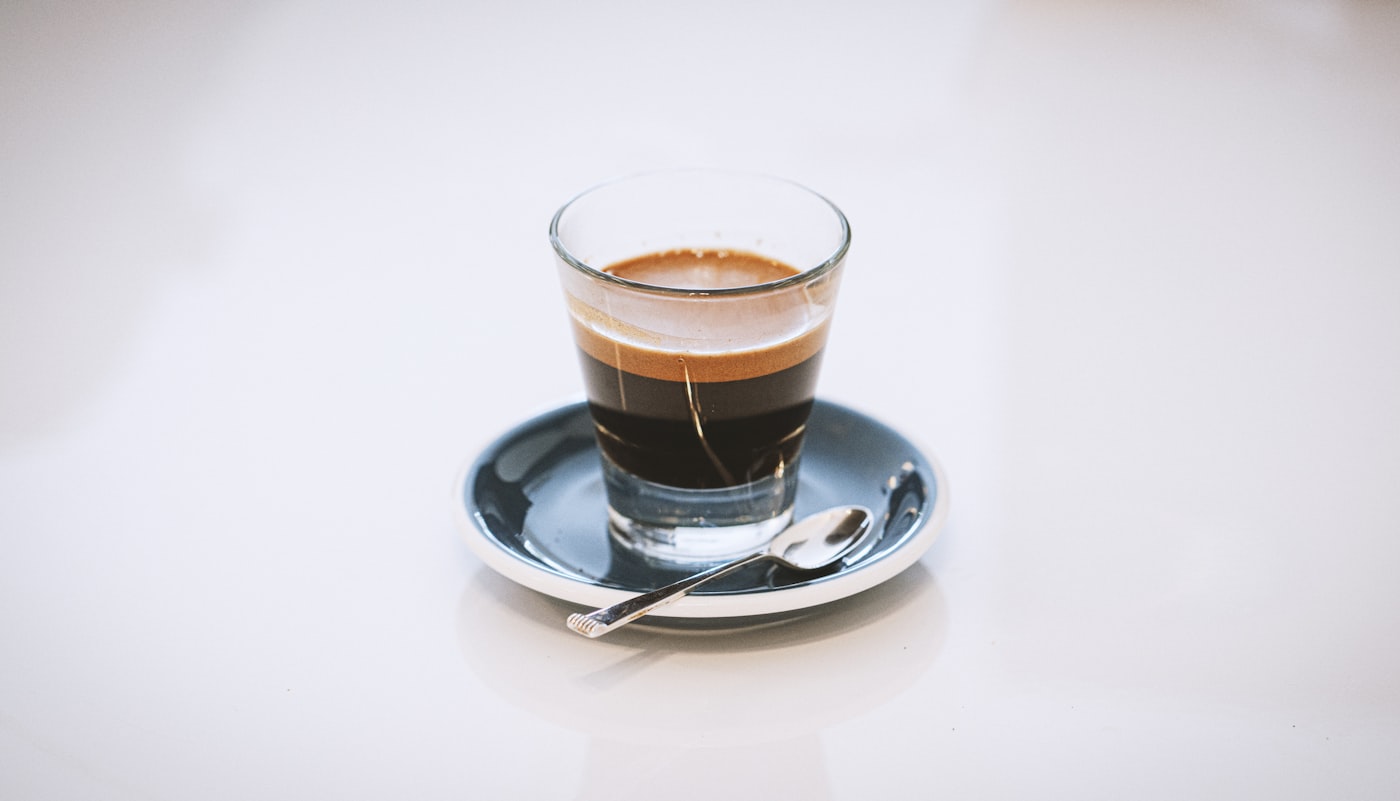
A clean espresso cup representing a washed lot that later flattened on the bar
CASE 04 · MORNING RESET

The espresso that drifted by mid-morning

A guest who orders the same drink most weekday mornings asked, politely, why their 11am flat white sometimes tasted sharper than their 8am one on the same day. It turned out our burr set was warming through the rush and grinding slightly finer without anyone noticing until the shot times crept past the target window. We added a scheduled mid-morning dial-in check on top of the opening one, treating the first reset as a start rather than the only one needed for the day.

Since adding the second check, the gap between the 8am and 11am cup for that same order has narrowed enough that the guest stopped asking — which, on a counter that lives or dies by consistency, is the outcome we were after.

Espresso milk drinks on the counter during a mid-morning dial-in check
CASE 05 · BEANS FOR HOME

A weigh-and-bag order that needed a different brew note

A regular asked for beans to take home but mentioned their pour-over at home always came out weaker than our counter cup. Rather than change the beans, we changed the brew note on the batch label — adjusting the suggested grind and ratio for a flat-bottomed home dripper instead of the conical brewer we use at the bar. The next visit, they reported the home cup finally matched what they remembered from the counter, which is really a note-writing fix more than a coffee one.

Beans weighed on the scale for a home brew-note adjustment
Have a similar brief?

Tell us what you're trying to solve at the counter.